Custom Claims Management Platform
L.R. Claims & Consulting
Replaced spreadsheets and scattered workflows with a production platform a California public adjusting firm uses every day.
Note: screenshots throughout this case study show placeholder demo data. Client names, claim numbers and dollar figures are made up, not real client information.
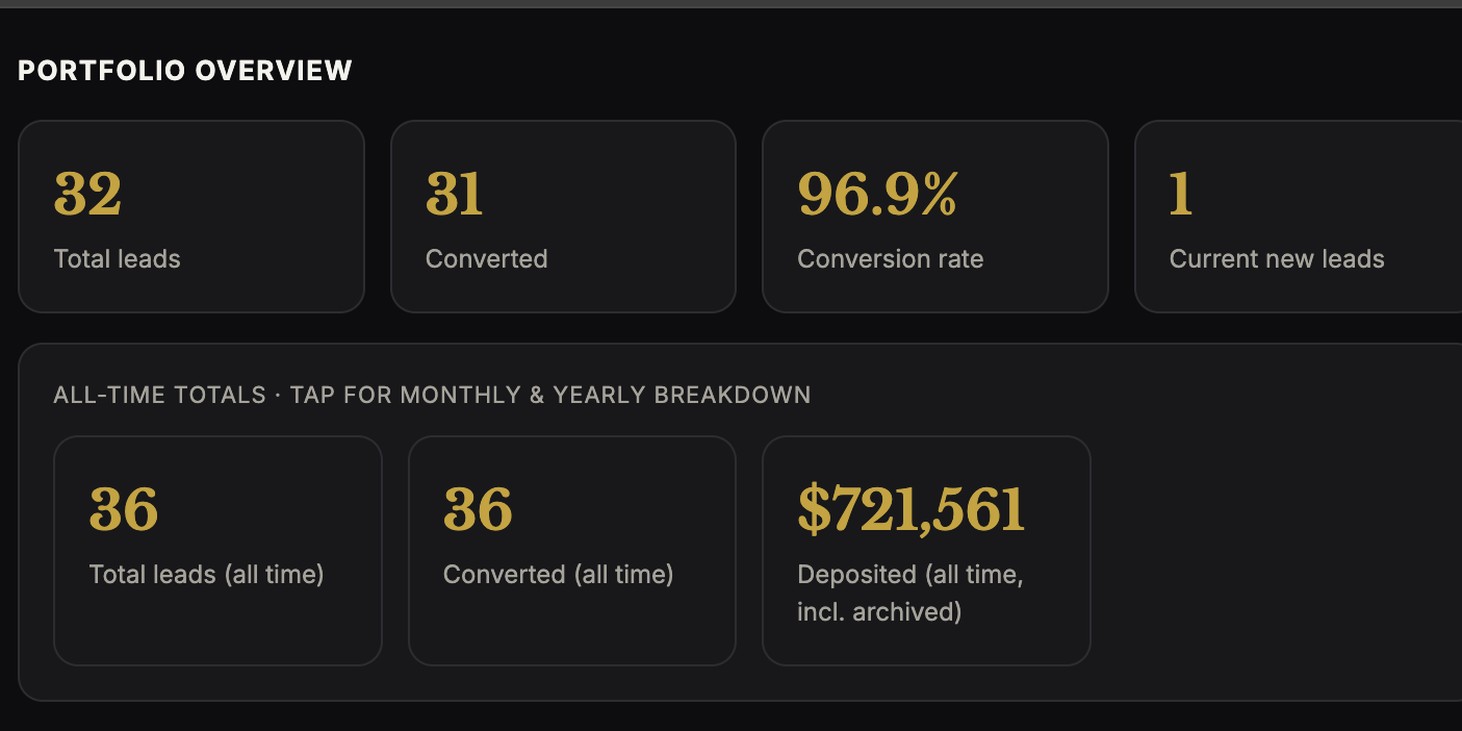
Demo data shown. Figures are not real.
- React
- Supabase
- PostgreSQL
- Row Level Security
- File Storage
- Progressive Web App
What existed before
A public adjusting firm handles claims that run for months. Each one carries inspections, photographs, correspondence, payment records and deadlines, and each of those was living somewhere different: spreadsheets, email threads, a shared drive, someone's memory.
Nothing was wrong with any individual file. The problem was that answering a simple question (where is this claim, what happens next, who touched it last) meant opening four things and trusting that all four were current.
How it was solved
We started with the workflow rather than the interface: what actually happens to a claim from first contact to settlement, and which of those steps people were doing by hand because no tool supported them.
That produced a data model before it produced a screen. Sixteen tables, with permissions built in from the start rather than added later; a firm handling other people's property and payment records can't treat access as an afterthought.
The delivered work
A secure, role-based application covering the full claim lifecycle: intake, inspection scheduling, document management, payment tracking, communications and reporting.
It's a Progressive Web App, so it installs on a phone and works in the field the same way it works at a desk, which matters when half the work happens standing in someone's damaged kitchen.
Under the hood
- Row Level Security enforces permissions in PostgreSQL itself, so a mistake in the front end cannot leak another user's records.
- Each stage of a claim, from first contact to settlement and payment, is modeled explicitly in the data rather than left implicit in the interface, which is what makes the system safe to extend.
- Installable on phones as a Progressive Web App for use in the field.
A closer look
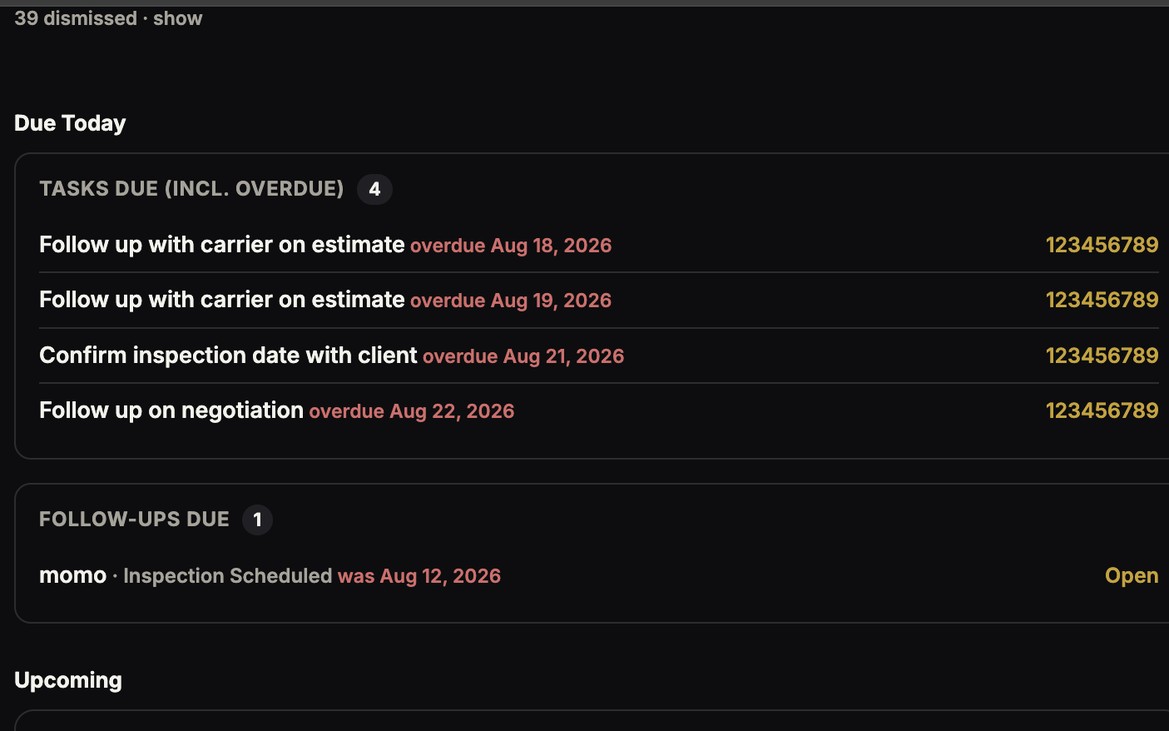
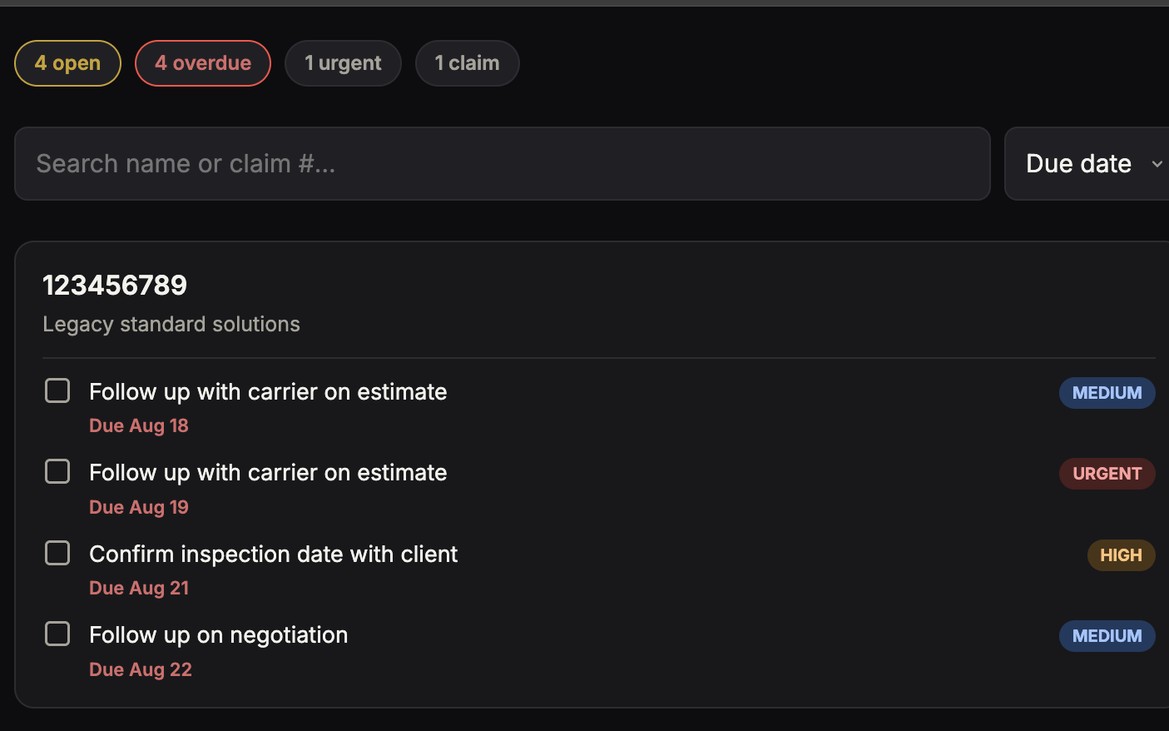
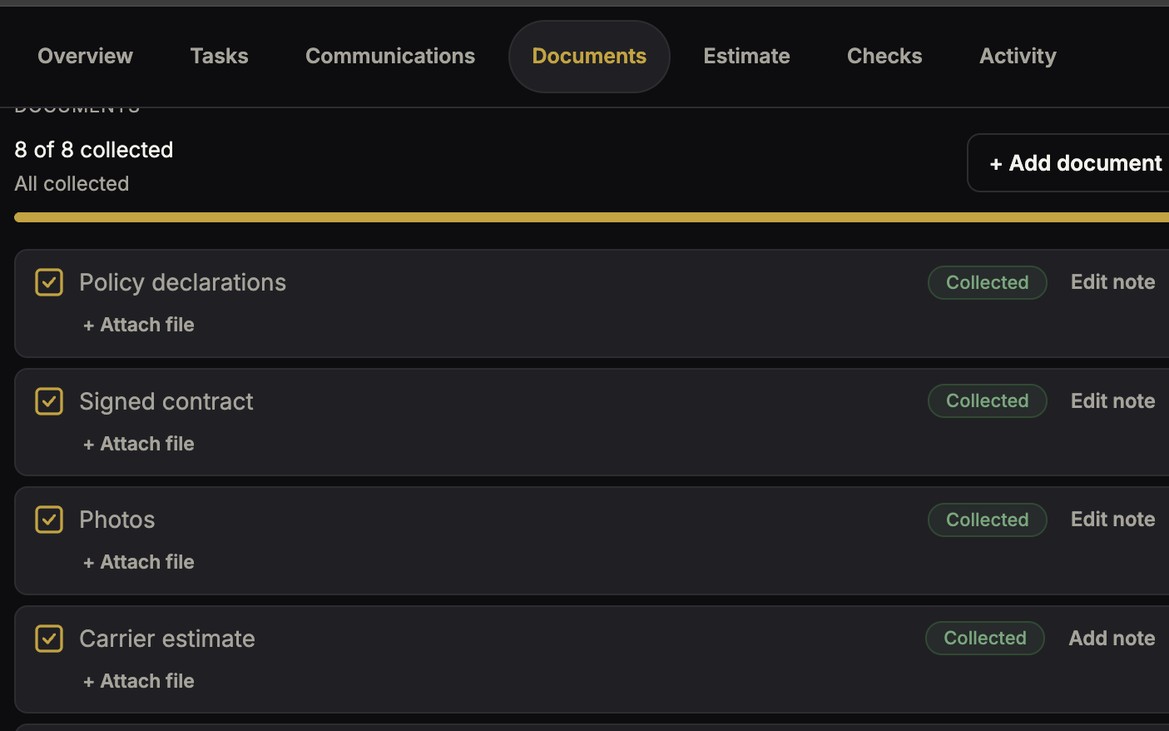
What it does
Role-based permissions
Row Level Security at the database layer, not just the interface.
Document management
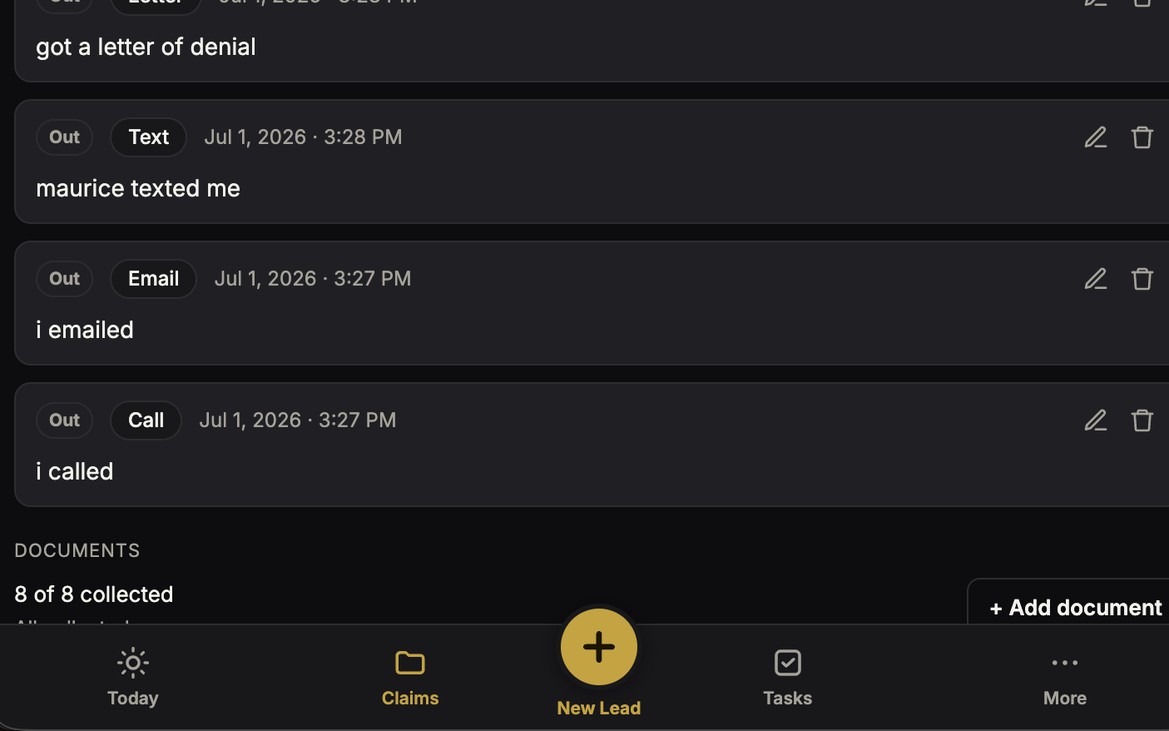
Secure per-claim storage with structured access.
Claims workflow
Status progression that mirrors how the firm works.
Inspection scheduling
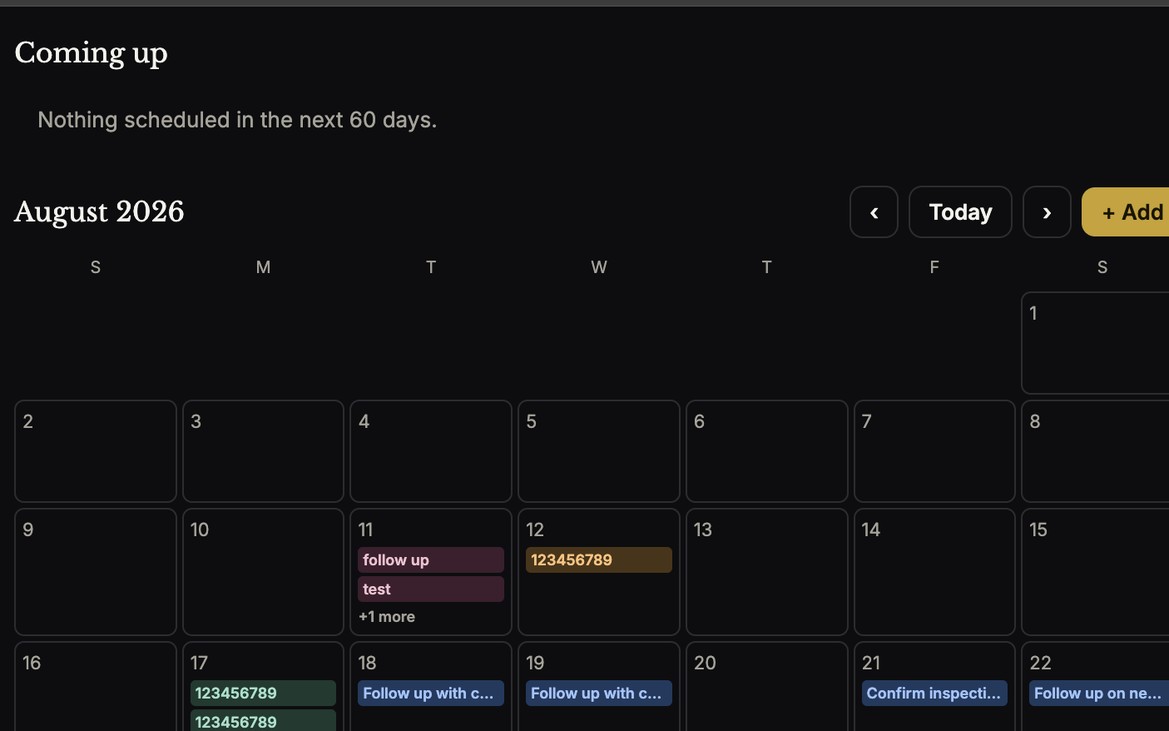
Calendar tied to claims and assignees.
Payment tracking
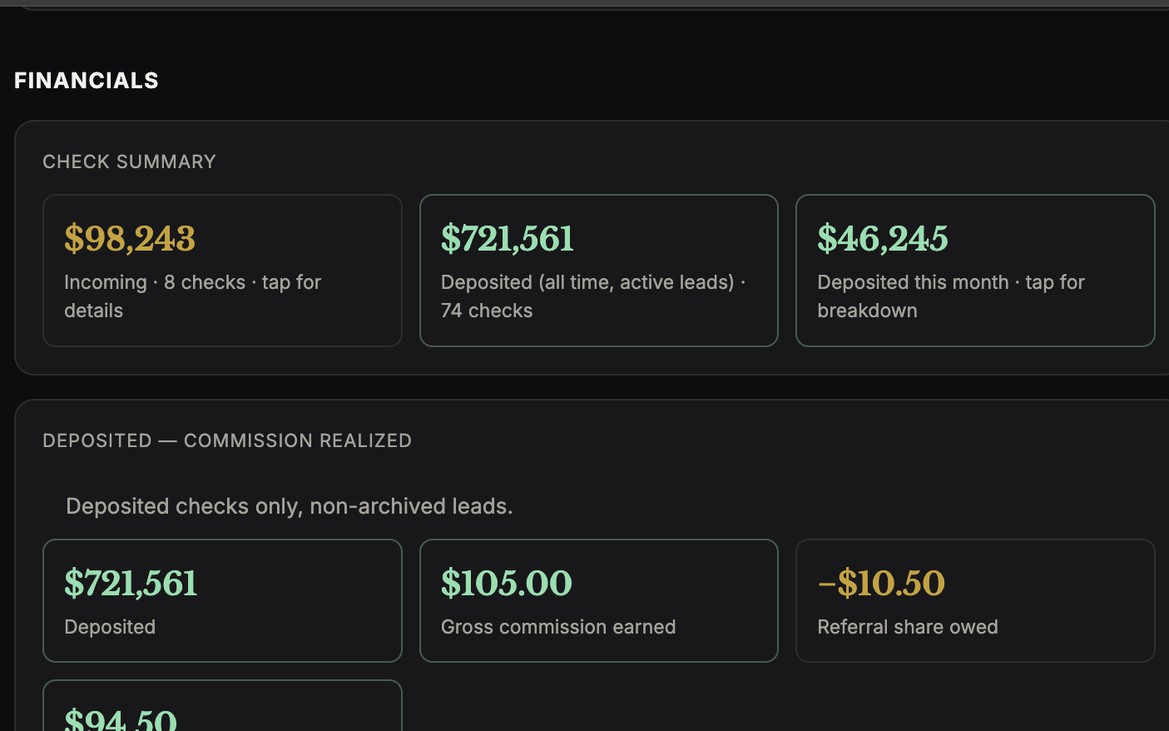
Records kept against the claim they belong to.
Reporting
Operational reporting from live data.
Where it landed
The platform is live, installed on the team’s phones as an app, and in daily use. The firm owns it outright, with no per-seat license and no vendor deciding how its workflow should look. Work continues on richer reporting and a policyholder portal.
The lesson from this build was that the data model is the product. Every hour spent getting the schema and the permission boundaries right up front paid for itself several times over once features started stacking on top of it.
Maurice Lopez · Founder
Want something like this for your business?
Start with a conversation. We’ll work out what makes sense for your business.